
Sarah Yerhoff
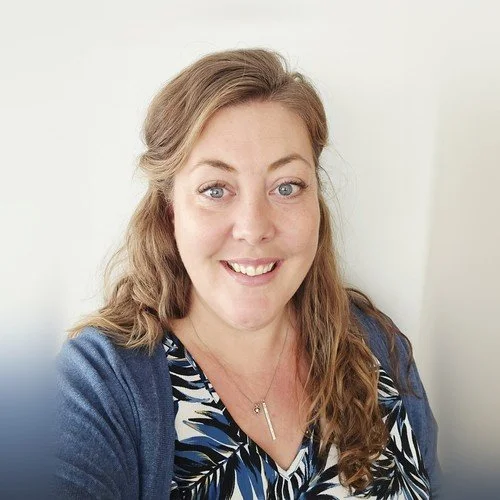
2026 Election Candidate
Environmental
In Enderby's Official Community Plan, "agricultural land, green space, and open natural areas are valued and preserved within the community by promoting higher density and clustered development". Please give local examples of 'good' and 'not good' building development in Enderby, and state why.
In Enderby’s Official Community Plan, “good” development is the kind that clusters homes and services on land that’s already serviced, so we can keep our farmland and natural areas intact. I’d point to things like the newer 3–4plexes and small multi‑family projects on existing residential streets (around Regent, Brickyard, Cliff) and the planned higher‑density node at the Knoll as examples that make sense: they use existing roads and utilities and don’t push sprawl out onto the Agricultural Land Reserve. On the other hand, “not good” development is low‑density sprawl creeping out to the edge of town and the ALR, or projects that try to minimize open‑space dedications and build too close to sensitive areas like the Shuswap River riparian zone, because that eats up finite farmland, fragments habitat, and works against the whole idea of preserving our agricultural land, green space, and natural areas through smarter, clustered growth.
Enderby has experienced significant climate impacts for the last few years. How do you propose to address this crisis, both in preparing ahead for disasters like drought, wildfires, heat domes and floods, as well as reducing greenhouse gas (GHG) emissions that lead to climate change?
For disaster preparedness, we’re advancing planned fire mitigation in Johnston Park with FireSmart and actively seeking additional grants to expand fuel‑reduction and defensible‑space work. We’ve recently redone the upper reservoir to ensure adequate water flow for firefighting and confirmed the lower reservoir can also support the community if needed. We maintain regular hydrant flushing, actively train with and support our local fire department, and focus on “helping the helpers” so emergency services are well resourced; feedback has been positive, but if that ever changed, we’d quickly look at how to further back our support teams. We’ve also updated our municipal fleet to improve deployment efficiencies during emergencies. To reduce greenhouse gas emissions, I’d pair this resilience work with targeted actions like prioritizing energy‑efficient upgrades to city facilities, supporting active‑transport and compact, infill development that reduces vehicle dependence, and aligning capital planning with clear GHG‑reduction targets so Enderby is better prepared for drought, wildfire, heat domes and floods while doing its part to limit future climate risk.
Do you support the use of public funds to contribute to acquiring natural lands for environmental conservation purposes? Under what conditions would the perceived need for more housing, businesses, roads and other infrastructure prompt you to trade away natural lands with high ecological value for urban expansion?
Yes, I support using public funds to help acquire natural lands for environmental conservation, especially where those lands protect water quality, wildlife habitat, floodplains, or community green space that aligns with Enderby’s Official Community Plan. I see this as a long‑term investment in resilience, recreation and quality of life, not just an environmental issue. That said, I would only consider trading away natural lands with high ecological value for urban expansion if there is a clear, demonstrated need that cannot be met through infill, gentle density, or redevelopment of already‑serviced sites, and only after rigorous independent ecological assessment, meaningful public consultation, and a formal trade‑off analysis showing no reasonable alternative. Any such decision would need to include strong mitigation measures, such as dedicating or protecting equivalent or higher‑value habitat elsewhere, ensuring net gain for the community’s natural assets rather than net loss.
Drought, contamination, increasing demand are just some of the water issues we face in Enderby. What actions would you prioritise to protect our river, creeks, aquifers, and groundwater for home and agricultural water sources, habitat for fish and wildlife, and human recreation?
I’d prioritize a mix of protection, education and practical stewardship to look after Enderby’s river, creeks, aquifers and groundwater. That means continuing and expanding public education on how we can all work together to enjoy our lands responsibly—things like regular river clean‑ups, promoting safe and respectful use of riparian areas, and improving litter control and waste management so contaminants don’t end up in our waterways. I’d support clear signage, community events and school partnerships that teach residents about drought, contamination risks and increasing demand, and how everyday choices (like proper disposal of chemicals, responsible pet waste management and water‑wise landscaping) make a difference. At the same time, I’d back bylaws and planning decisions that protect sensitive habitats, limit development in floodplains and recharge zones, and encourage water‑efficient practices in homes, agriculture and municipal operations. By combining hands‑on stewardship with smart policy and ongoing education, we can protect our water sources for drinking, farming, fish and wildlife habitat, and recreation now and into the future.
Social
In smaller communities, we need to be creative in how we help one another; how do you see the role of local government in this?
In smaller communities like Enderby, I see local government’s role as a connector and enabler rather than trying to do everything ourselves. That means creating space and support for neighbours, nonprofits, businesses and volunteers to step up—through small grants, shared facilities, clear information, and removing red tape where it’s safe to do so. It’s about listening to what people are already doing to help each other, then finding practical ways to amplify that work: coordinating efforts, filling gaps, and making sure vulnerable residents aren’t left behind. Local government can’t solve every issue alone, but we can set the conditions for creativity, collaboration and mutual aid to thrive so the whole community benefits.
How do we tackle misinformation and growing distrust in local government as well as uncivil behaviour on social media and in person?
Tackling misinformation and distrust starts with consistent, transparent communication and a commitment to listening. I believe local government needs to share clear, timely information about decisions, finances and projects in plain language—through multiple channels like the website, social media, newsletters and in‑person open houses—so people can see how and why decisions are made. When mistakes happen, we should acknowledge them and explain what we’re doing to fix them. On social media and in person, I’d model and expect respectful, civil dialogue: correcting false information calmly with facts, avoiding arguments online, and bringing difficult conversations back to shared community goals. Building trust also means following through on commitments, inviting diverse voices into the process early, and showing that public input genuinely shapes outcomes. Over time, that combination of honesty, consistency and respect is what rebuilds confidence and reduces uncivil behaviour.
What personal and/or professional experience has most shaped your understanding of Truth and Reconciliation, and how would it influence your decisions as a municipal elected official?
My understanding of Truth and Reconciliation has been shaped by working closely with Indigenous colleagues and community members in community services, and by listening to local Indigenous leaders share their experiences and priorities around land, culture and governance. Reviewing policies and coordinating with diverse stakeholders has shown me how past decisions—often made without Indigenous input—have had lasting impacts on access to housing, services and economic opportunities. That history makes me cautious about repeating top‑down approaches and committed to doing things differently. As a municipal elected official, I would prioritize early, meaningful engagement with local First Nations on planning, land use, infrastructure and community programs; support initiatives that strengthen Indigenous culture, language and economic participation in Enderby; and ensure city processes are open, respectful and responsive to Indigenous rights and perspectives. It also means being willing to learn, share power where appropriate, and measure progress by the quality of relationships we build, not just projects completed.
Cultural
How do you personally engage with arts, culture and heritage in Enderby, and how do you think local government should support these features of our community?
I engage with arts, culture and heritage in Enderby by attending local events like the farmers’ market and community concerts, supporting the museum and heritage sites, and supporting local artists and makers through their shows and social media. I also enjoy using our parks and riverfront spaces, which are themselves part of our community’s cultural and natural heritage. When friends and family visit, I make a point of being a tourist in my own town—taking them to our arts and culture gems, from local galleries and performances to heritage buildings and interpretive walks—and sharing why these places and people matter. I believe local government should support these features by providing reliable, accessible spaces for performances, exhibitions and gatherings; offering small grants and streamlined permits for artists and cultural groups; and actively promoting Enderby’s unique history and creative scene in tourism and economic development. That includes maintaining heritage assets, partnering on cultural programming, and clearly advocating for the importance of arts and culture as essential to community identity, pride and resilience, not just “nice to have.”
Economic
What is your understanding of how small local governments can support our economic development, including the success of our small local businesses?
Small local governments can support economic development by creating a clear, predictable and business‑friendly environment while actively partnering with existing businesses. That means maintaining reliable infrastructure (roads, water, sewer, internet), keeping permitting and zoning processes straightforward and timely, and offering one‑stop support so owners know where to go for information and help. Council can act as a convener—bringing together chambers, nonprofits, schools and regional partners to coordinate training, marketing and grant opportunities—and as an advocate, promoting Enderby’s unique assets to tourists, new residents and investors. Targeted tools like small grants, façade improvement programs, flexible use of municipal spaces for markets and events, and support for local makers and entrepreneurs can make a real difference. Most importantly, it’s about listening to local businesses, reducing unnecessary red tape, and making decisions that balance growth with the character and quality of life that make Enderby attractive in the first place.
What is one action the municipality should take to strengthen our local food system and improve access to healthy, affordable food? Why that action?
One action the municipality should take is to formally support and expand community gardening and local food‑growing spaces as part of our food system strategy. I believe we’ve already been a leader in this area through our Food Action Committee, which supports the Harvest Hut, food bank and all things food, and through the work of volunteers who have helped us establish our first designated community garden. We’ve also been promoting Enderby as an active gardening community by encouraging gardening on city lands, in planters and in the breezeway. Building on that, council should identify additional suitable municipal parcels for community gardens, streamline permits for food‑growing projects, and invest in basic infrastructure like water access, fencing and tool storage. This action matters because it directly increases access to fresh, affordable produce, strengthens food security for vulnerable residents, builds skills and social connection, and keeps our local food system resilient in the face of rising costs and supply disruptions. It’s a practical, visible way to turn our food‑security goals into everyday reality for neighbours across Enderby.
Health
As Mayor / Councilor, how would you work to attract and retain medical professionals in Enderby?
I would work to attract and retain medical professionals in Enderby by combining advocacy, partnership and practical support. That means continuing to work closely with Interior Health and the province to secure staffing commitments, explore rural incentive programs, and support initiatives like training and retaining local residents as health practitioners. I’d also focus on making Enderby a welcoming place for doctors and their families: helping with housing information, connecting them to community networks, and ensuring they feel valued through simple gestures like welcome packages and ongoing engagement. Supporting the development and maintenance of quality clinic facilities, reliable administrative support and collaborative practice environments is also key, because clinicians are more likely to stay where they can practice effectively and feel part of the community. Ultimately, it’s about being a persistent advocate at the regional and provincial level while doing everything we can locally to make Enderby an attractive, supportive place to build a long‑term career and life.
How will you ensure that our planning of our built environment, our programs and our policies support the diverse physical and mental health needs of our population?
I’ll ensure our planning, programs and policies support diverse physical and mental health needs by embedding health considerations into everyday municipal decisions. That means using a health‑in‑all‑policies lens: when we review zoning, parks, transportation, housing and infrastructure projects, we’ll ask how each decision affects access to safe walking and cycling routes, green space, affordable housing, social connection and services for people of all ages and abilities. I’ll support complete, accessible neighbourhoods with sidewalks, lighting, benches, inclusive playgrounds and recreation facilities, and encourage mixed‑use, compact development so people can meet daily needs without long drives. For mental health, I’ll prioritize programs and spaces that reduce isolation—community centres, libraries, arts and culture opportunities, and safe, welcoming public spaces—while partnering with health providers, schools and nonprofits to connect residents to supports.
General
Enderby has constant traffic congestion on Hwy. 97A without a solution in sight from the Ministry of Transportation. What ideas do you have to pressure the province into finding a solution?
Enderby has constant traffic congestion on Hwy. 97A, and while the municipality doesn’t control the highway, I believe we can and should be more assertive in pressuring the province to find a solution. We’ve been actively working on issues like the timing of traffic lights in the community, which is now resolved, and that kind of persistent advocacy is what we need to keep doing at the provincial level. I would push for a formal, ongoing dialogue with the Ministry of Transportation that includes clear requests: a dedicated study of 97A congestion and safety, timelines for improvements such as turn lanes, signal optimization, pedestrian crossings and potential bypass options, and commitment to funding. I’d also support building a stronger case by collecting local traffic data, documenting incidents and delays, and partnering with neighbouring municipalities, the regional district, MLAs and business groups to present a united front. Using media, public campaigns and direct meetings with ministers can keep pressure on, while we continue to advocate for provincial investment in transit, active transportation and road upgrades that actually move the needle on congestion and safety.
