
Kristy McLennan
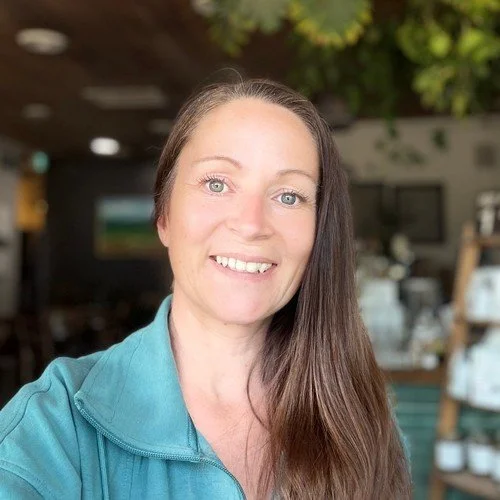
2026 Election Candidate
Environmental
Policies in the Armstrong Official Community Plan "direct future growth strategically to protect ecological and agricultural areas, offer more housing and transportation choices, support economic prosperity and diversity, prioritize sustainable municipal infrastructure planning, enhance community wellbeing, and support our transition to a more sustainable and climate resilient community." Please give local examples of 'good' and 'not good' building development in Armstrong, and state why. Do you support the downtown revitalization plan for Armstrong and why/why not?
In Armstrong, good development would include reusing vacant downtown buildings and adding well-designed housing close to shops and services. This supports businesses, expands housing choices and uses existing infrastructure while protecting farmland and natural areas.
I support downtown revitalization’s goals, but have concerns about its design and delivery. The new street layout leaves less room for events such as the car show. Moving these events to the fairgrounds takes visitors and potential customers away from downtown businesses. Our streets should support community gatherings as well as everyday use.
As a downtown business owner, I want clear budgets, meaningful consultation, practical parking and access plans, and timely communication. Revitalization should strengthen the businesses already here and preserve the events that bring people downtown.
Armstrong has experienced significant climate impacts for the last few years. How do you propose to address these crises, both in preparing ahead for disasters like drought, wildfires, heat domes and floods, as well as reducing greenhouse gas (GHG) emissions that lead to climate change?
I support maintaining drainage systems, identifying flood-prone areas, reducing wildfire risks and planning for reliable water supplies during drought. Emergency plans should include clear evacuation information, accessible cooling spaces and support for seniors, people with disabilities and residents without transportation. Residents and businesses need timely information about how to prepare and where to get help.
Protecting natural areas and planting suitable shade trees can also help manage heat and stormwater.
I would prioritize projects that reduce risk, save energy and lower long-term costs, pursue available grants, and report on results. Climate resilience should be part of everyday infrastructure and land-use decisions.
Do you support the use of public funds to contribute to acquiring natural lands for environmental conservation purposes? Under what conditions would the perceived need for more housing, businesses, roads and other infrastructure prompt you to trade away natural lands with high ecological value for urban expansion?
Yes, I support using public funds to acquire natural lands when there is clear ecological value and a demonstrated public benefit, such as protecting habitat, water sources or areas that help manage flooding. Decisions should be supported by credible environmental assessments, transparent costs and a realistic plan for ongoing stewardship. Partnerships and grants can help make these investments affordable.
Housing and economic growth are important, but we should first look at vacant properties, redevelopment and appropriate density within already developed areas.
Before considering any loss, I would expect evidence that the need is essential, reasonable alternatives have been explored, and environmental impacts and long-term infrastructure costs are understood. Residents should have a meaningful opportunity to weigh in.
Some ecological losses cannot be replaced by planting elsewhere. Where damage would be irreversible or threaten critical habitat or water systems, I would support protecting the land and finding another solution.
Drought, contamination, increasing demand are just some of the water issues. What actions would you prioritise to protect our creeks, lakes, aquifers, and groundwater for home and agricultural water sources, habitat for fish and wildlife, and human recreation?
I would prioritize protecting water at its source, maintaining reliable infrastructure and planning ahead for drought.
This means protecting creek side vegetation, wetlands and groundwater recharge areas, and considering water availability and contamination risks before approving development. Stormwater planning should help keep pollutants out of waterways and reduce runoff that can damage habitat.
I would support finding and repairing leaks in municipal water systems, monitoring water quality and supply, and giving residents clear information about conservation and drought restrictions. Municipal facilities should also use water responsibly.
Water crosses municipal boundaries, so Armstrong needs to work with neighboring communities, First Nations, farmers and relevant agencies on shared water challenges. Planning should account for household needs, agricultural livelihoods, fish and wildlife, and recreation.
My focus would be prevention, clear public reporting and investments that protect water over the long term. Safe, reliable water must remain a priority as our community grows.
Social
In smaller communities we need to be creative in how we help one another; how do you see the role of local government in this?
Local government should help people build community and make it easier to contribute.
This matters deeply to me. Children planting Marigold Mile was a tradition that helped them take pride in Armstrong. We no longer have that activity. This year, we also struggled with requirements for flaggers and barriers so schoolchildren could decorate downtown trees, even though teachers and parents supervised them using sidewalks and crosswalks.
Safety matters, but requirements should reflect the actual risk and come with practical solutions. I want the City to work with organizers to find a safe way forward, with clear explanations and reasonable expectations.
As a business owner, parent and Chamber director, I see how much volunteers contribute. Council should support them through approachable staff, straightforward processes and fair access to public spaces.
These small traditions connect generations and give children a sense of belonging. Local government's role is to help them thrive, listen when barriers arise and work alongside the people who make Armstrong a community.
How do we tackle misinformation and growing distrust in local government as well as uncivil behaviour on social media and in person?
Trust grows when people can get clear answers, understand decisions and feel heard.
Over the past year, I have suggested a regular “What's Happening in Armstrong” feature on the City's social media, where residents can ask questions and receive answers directly from the City. Timely updates would help address rumors before assumptions fill the gaps.
Communication also needs to reach people who aren't online. Flyers with upcoming meetings, important topics and ways to provide input could help. The Chamber already uses a flyer delivery service involving Kindale participants; the City could explore working with that existing service.
When misinformation appears, the City should respond calmly with facts and accessible sources. When it makes a mistake, it should acknowledge it and explain how it will be addressed.
We also need respectful conduct from residents, staff and elected officials. Disagreement and criticism are part of democracy; threats and personal attacks are not acceptable. Council should model that standard while ensuring people can question decisions without being dismissed.
What personal and/or professional experience has most shaped your understanding of Truth and Reconciliation, and how would it influence your decisions as a municipal elected official?
My understanding of Truth and Reconciliation is still developing. What has helped shape it is asking questions, listening to people involved and hearing their perspectives on what we need to better understand.
I know that listening comes with a responsibility to continue learning for myself about Indigenous history, the impacts of residential schools and the ongoing challenges Indigenous communities face.
As a municipal elected official, I would bring that willingness to learn into my decisions. I would support respectful relationships with local First Nations, seek their perspectives early on matters affecting them and consider how municipal decisions can support reconciliation in practical ways.
I would approach this work with humility, recognizing that I do not have all the answers. For me, reconciliation means continuing to learn, being open to correction and following respectful conversations with meaningful action.
Cultural
How do you personally engage with arts, culture and heritage in Armstrong, and how do you think local government should support these features of our community?
I support local theatre productions through donations and display artwork by local artists for sale in my café. This gives artists another place to share their work and connects customers with local creativity.
I would love to see larger public artworks downtown, including murals and sculptures that reflect Armstrong's history, agricultural roots and community life. These could create opportunities for local artists and give residents something to help shape and take pride in.
The banner program, where local people submitted artwork to be displayed around town, is a wonderful example of bringing the community together. I would support continuing or reviving opportunities like this, with participation from children, youth and adults.
Local government can help through accessible spaces, straightforward processes and fair funding within its budget. Partnerships, grants and sponsorships could help public art projects move forward, with plans for maintenance.
Arts, culture and heritage should be part of downtown planning, preserving our character while making room for new creativity and community traditions.
Economic
What is your understanding of how small local governments can support our economic development, including the success of our small local businesses?
Small local governments help businesses succeed through reliable infrastructure, clear rules, practical access and responsible use of tax dollars.
Economic development must include helping the businesses already here thrive. An occupied storefront does not tell the whole story. Behind each business are people who have invested their savings, created jobs and built relationships in our community. We should not assume that if one closes, someone else will simply take its place.
As a downtown business owner, I know how parking, construction, permits and communication affect daily operations. The City should involve businesses early, take concerns seriously and plan for access, deliveries and visibility during public works.
Working with the Chamber, encouraging local shopping and supporting community events can bring customers downtown. Housing and transportation also help businesses attract and retain staff.
I want the City to be a reliable partner that values existing businesses alongside new investment. Success means businesses can stay, grow and contribute to Armstrong for years to come.
What is one action the municipality should take to strengthen our local food system and improve access to healthy, affordable food? Why that action?
One action I would support is bringing our existing food initiatives together to identify where municipal support and more volunteers could make the greatest difference.
Armstrong already has a Saturday farmers market and a community garden. Spallumcheen has also helped smaller producers connect to sell products such as meat. I would work with these groups to strengthen what is already in place and explore how surrounding producers could reach more residents within city limits.
Our community garden also needs people to step up and help. The City could help organizers promote specific volunteer opportunities and connect with residents, schools and community groups interested in contributing.
Practical support could include promotion, suitable spaces and straightforward permit processes, with affordability and accessibility guiding decisions.
This approach builds on local knowledge and effort. Supporting producers and helping residents participate can improve access to fresh food, strengthen community connections and keep more spending in our local economy.
Health
As Mayor / Councilor, how would you work to support access to medical services?
As a councilor, I would make supporting the Haugen Medical Centre and understanding its needs part of the conversation about improving healthcare access in Armstrong.
We have a local resource to build on. I would want to hear from the center's providers about what would help them serve more residents, retain healthcare professionals and develop services that benefit the whole community. Municipal support should respond to those needs and could include help with suitable space, clear approval processes and advocacy to health authorities and the Province.
I would also work with providers and community organizations to understand barriers faced by residents without a family doctor, seniors, people with disabilities and those who need transportation to appointments.
Council has a role in bringing partners together, sharing verified service information and consistently advocating for local needs. My focus would be strengthening the care available here and supporting practical opportunities for more Armstrong residents to access it.
How will you ensure that our planning of our built environment, our programs and our policies support the diverse physical and mental health needs of our population?
I would start by listening to people with different needs and experiences, including seniors, youth, families, people with disabilities and those facing mental health challenges. Their input should shape plans early, while changes can still be made.
For our built environment, I would support accessible sidewalks and crossings, places to sit and rest, shade, accessible washrooms and public spaces that people can comfortably reach and use. Construction planning also needs to consider people who cannot easily manage detours or walk long distances.
Programs should offer affordable ways to connect through recreation, arts, volunteering and community events. Social connection and a sense of belonging matter to mental wellbeing.
Policies and public information should be clear and available through more than online channels. I would work with local providers and community organizations to identify barriers and review whether our decisions are improving access.
My goal is an Armstrong where people can participate with dignity, stay connected and have their needs considered in everyday municipal decisions.
