
Kim Sinclair
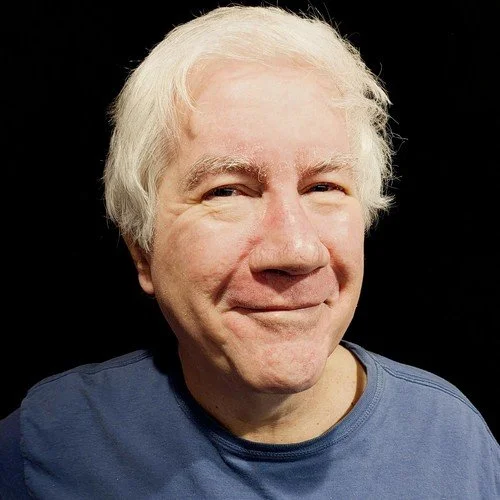
2026 Election Candidate
Environmental
Policies in the Armstrong Official Community Plan "direct future growth strategically to protect ecological and agricultural areas, offer more housing and transportation choices, support economic prosperity and diversity, prioritize sustainable municipal infrastructure planning, enhance community wellbeing, and support our transition to a more sustainable and climate resilient community." Please give local examples of 'good' and 'not good' building development in Armstrong, and state why. Do you support the downtown revitalization plan for Armstrong and why/why not?
The building of the new city hall (outside of the argument of whether it was needed,) is an example of “good” building development. There was significant focus on minimizing the carbon footprint. They should have added solar panels to offset electrical consumption. As for not good, the Meadow Creek development off Patterson Ave because it was built on the sensitive wetlands.
As for the Downtown Revitalization plan…. Before the last election the consistent comment on what needed to be fixed was the repaving of the section of road on Pleasant Valley from Mill St to Okanagan. Most repaving is the time to replace water, sewer, gas lines and add storm water collection. Had that happened people would be happy. The revitalization plan lacked in meaningful consultation and engagement with business and community, the design lacked understanding of community needs, and the implementation was fraught with confusing and contradictory information showing little regard for the small businesses being interrupted. As the first stage finishes, we may well be looking at having to undo some of the construction to make it usable. Stage two and three need to halted and reassessed.
Armstrong has experienced significant climate impacts for the last few years. How do you propose to address these crises, both in preparing ahead for disasters like drought, wildfires, heat domes and floods, as well as reducing greenhouse gas (GHG) emissions that lead to climate change?
This is a big question. It takes a village. In 2021 I wrote terms of reference for the City to start a Social Planning and Development Committee. The purpose of this as outlined is to bring together groups and individuals with a focus on a variety of concerns in our community. Our region has several groups formed to address climate and environmental stewardship. We need to be at the table with these groups to learn and collaborate on action plans and to mitigate and prepare to effectively to meet the climate impacts.
For me, I see things like city buildings having solar panels and building a compost methane recovery facility to use for fuel. Look at things like small scale hydrogen power plants. Have storm water capture and storage at source for reuse in times of drought. Some communities are working with grey water reuse in homes and businesses for flushing toilets. Bringing volunteers into fire smart support for assessing and remediating risks. Develop a perimeter sprinkler system for interface areas like Logan Lake put in. I am not an expert, we have some smart people in our community who have put a lot of thought into this and we as a council, need to listen hard.
Do you support the use of public funds to contribute to acquiring natural lands for environmental conservation purposes? Under what conditions would the perceived need for more housing, businesses, roads and other infrastructure prompt you to trade away natural lands with high ecological value for urban expansion?
I see the role of the city in conservation as one of support and collaboration. The city is responsible for ensuring that zoning protects environmentally sensitive areas and needs to have clear set of environmental assessment processes for new proposed development. If the City buys land, future councils decide how it could be used. However, the city can help to access grants to have a land conservancy hold land. Our footprint in Armstrong is finite. We cannot sprawl like many cities do. We have a finite amount of water which estimates show could only support up to 7000 people. We have land available that is outside of ecologically sensitive areas, and I would see the major need in the community is to support the development of low-cost housing. 33% of our households in Armstrong have incomes under $50,000 dollars and another third are below $100,000. Most of the housing being built does not serve this population. We need to densify in the town core for both housing and business growth, but we cannot trade away high ecological value lands.
Drought, contamination, increasing demand are just some of the water issues. What actions would you prioritise to protect our creeks, lakes, aquifers, and groundwater for home and agricultural water sources, habitat for fish and wildlife, and human recreation?
Water is the life blood of a community. My commitment on council is to put environmental stewardship as a top priority. In the social planning and development framework this is a major focus to find our best way forward both fixing what we have broken and ensuring our footsteps forward leave light footprints.
Social
In smaller communities we need to be creative in how we help one another; how do you see the role of local government in this?
Over time help in many forms was professionalized. We needed to have an expert with the proper credentials. It has taken away the culture of people helping people. We have the expertise within our community, within our neighbourhoods. We start by using things like the block parties (Jarvis Street is doing this regularly,) discussion evenings on important topics and issues
It can start by Council asking better questions, listening and giving better direction to staff.
What if… What if, we draw on the amazing skills, talents and passions of people in the community. What if, we approached things with curiosity, on understanding the issues before jumping to solutions.
Through the Armstrong Social Planning and Development Committee, the committee brings together members of focus area groups along with a Council Rep and a coordinator. The role of this committee is to support these groups to build a better community. It will provide the city with feedback on potential initiatives, of the impact of them, through a social lens. It provides tools and resources such as meeting space, evidence-based research, support to write grants and proposals.
How do we tackle misinformation and growing distrust in local government as well as uncivil behaviour on social media and in person?
The first step is to assess the current ways we are sharing information with the community. Is it working? Who are we missing? Are we engaging with people or just informing after the fact? Meaningful engagement starts with first asking “what we should do”. about an area of concern. Either sending a request for feedback to stakeholders, or better, bringing them together for discussion. If we take the revitalization project as an example, the issue should start with, “We need to repave the road and replace the services below the roadbed. If we engaged people at this point with “this is an opportunity to make any changes if any, we would like to see in the downtown area. Let’s talk about what that might look like, what is important for you? I believe we would have had better outcomes.
We need to reflect instead of reacting, when we think something is off with someone’s information we can start by asking what their source is. The city has a facebook page however they limit comments. By having a strong moderator you allow questions or criticism and filter out uncivil behaviour. Respect is earned through honesty and truthfulness, owning mistakes, then doing better.
What personal and/or professional experience has most shaped your understanding of Truth and Reconciliation, and how would it influence your decisions as a municipal elected official?
In my work in Salmon Arm, I was asked by the Neskonlith Indian Band to help with developing a youth employment project to build a cultural sweat lodge site on Mount IDA. Collaboratively we did the work to bring the plan to life. The last step was to meet with the Ministry of Lands and Forests to review the project. Several Elders including Mary Thomas attended and as we went through the project everyone agreed everything met environmental standards and would be great for the Band especially for their young people. Then the Ministry rep said “OKAY what you need to do now is write a “letter of request” to us for approval”. A long silence followed until Mary Thomas said, “This is our land, the mountain is one of our spiritual places. We do not need to ask permission.” The ministry rep could not find a way around the regulation and the project died. This is where it hit home to me the need for decolonizing our practices
Cultural
How do you personally engage with arts, culture and heritage in Armstrong, and how do you think local government should support these features of our community?
I have been part of Asparagus Community Theatre for over 25 years, serving as President four times as well as an actor, director and as a sound designer. I have hosted open mics in the community in various locations in Armstrong. I have, along with my daughter performed at fundraisers and community causes for over 30 years.
Local government support starts with acknowledging the role of the arts as vital to the health and wellbeing of the community. We have representatives sitting on the boards of several societies, perhaps we could have a representative group of art, culture and heritage that meets to support opportunities of support and new opportunities. Through Parks and Recreation, it can provide space and support to groups and organizations to make participation accessible to all.
Economic
What is your understanding of how small local governments can support our economic development, including the success of our small local businesses?
Small businesses create the diversity and vibrance of our community. Armstrong could look at a downtown business improvement association with some funding from the city to work at marketing, partnering for events, advocating for things like environment, arts or wellness to support their growth. Larger cities have staffed economic development programs with grants for the civic government. For us it may be possible to partner with surrounding communities to share in economic planning. Our Chamber of Commerce is great and does amazing things in the community and I see them being a partner in this.
What is one action the municipality should take to strengthen our local food system and improve access to healthy, affordable food? Why that action?
We have a large number of supports in the community getting produce to people in the summer /fall season. I would like to have the commercial kitchen at Centennial Hall used for canning, drying and other ways to provide food reserves through the winter months. I chose this because it is an easy action with significant results.
Health
As Mayor / Councilor, how would you work to support access to medical services?
As a council this is an area outside of the direct responsibility, however it is certainly one of interest. We should be at the table in the conversations to improve access to medical services within the community. With a third of our population over the age of 65 having services closer to home is critical for people to age in place. A suggestion has been put forward to have a $25 fee added to taxes to ensure the Haugen Centre has the funds to add three new Doctors and an additional Nurse Practitioner. This is worth looking at for Council.
How will you ensure that our planning of our built environment, our programs and our policies support the diverse physical and mental health needs of our population?
Through the work of a Social Planning and Development Committee, planning would need the feedback and input of people with lived experience. This came up at the forum on Wednesday. The design plan for the downtown development project designed parking stalls to be longer for disabled parking when what was needed was wider. Had this received input from a group of people with diverse abilities and their allies or had been reviewed by them in the draft phase the issue could have been resolved. This type of group is critical in ensuing we build for all abilities.
