
Kelly Fehr
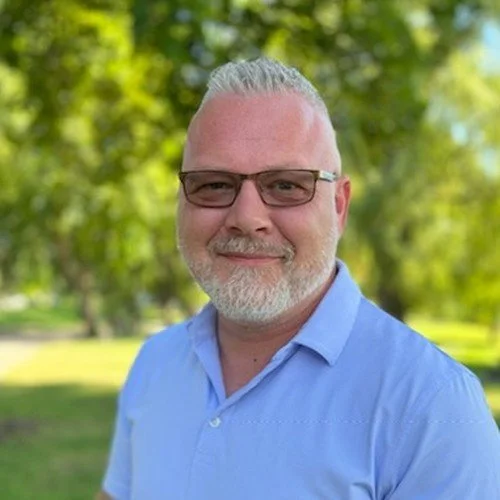
2026 Election Candidate
Environmental
A core principle of Vernon's Official Community Plan is to prevent sprawl and limit growth to within the urban containment boundary.
a) Under what conditions do you think Council should make an exception to this core principle?
b) Please give local examples of existing 'good' and 'not good' building development in Vernon, and explain why.
a) Council must hold a firm line on the urban containment boundary to prevent sprawl. Exceptions should be rare and evidence-based. I would only consider an exception if a proposal offers an unprecedented, critical public benefit, such as a massive injection of deeply affordable housing. Even then, it is only viable if the developer funds the expansion of utilities and infrastructure. Any exception can not pass new infrastructure burdens onto the taxpayer.
b) "Good" development in Vernon consists of higher-density, purpose-built rentals and multi-family infill located directly within our Urban and Village Centres. These projects promote housing affordability and diversity, while maximizing the infrastructure we already have. Conversely, "not good" development is low-density, car-dependent sprawl pushing against our hillside or agricultural boundaries. This type of development runs counter to strict fiscal responsibility. It stretches our City's maintenance budgets, increases traffic congestion, and forces long-term infrastructure liabilities onto Vernon taxpayers for the benefit of a few units.
Vernon has a Climate Action Plan (CAP) that aims to reduce GHG emissions in transportation, buildings and waste, and prepare for climate impacts like wildfires, heat domes, floods, severe weather events.
a) What aspects of this plan are most important and urgent and how will you ensure implementation?
b) The CAP will undergo a review process in 2027. What would you like to see in a revised CAP?
a) With transportation generating over 60% of Vernon’s greenhouse gas emissions, expanding connected, safe active transportation networks and transit is critical. Equally urgent is practical climate adaptation. Facing our fifth consecutive multi-year drought and elevated wildfire threats, we must treat water security and FireSmart resilience as core public safety priorities. I ensure implementation by embedding a climate lens directly into municipal budgeting, capital asset management, and development bylaws, moving plans into funded, measurable operations.
b) In the 2027 review, I want to see expanded regional water conservation initiatives. My ongoing work on the RDNO Board of Directors has reinforced that climate and water challenges require cross-boundary solutions. I will champion a formal Natural Asset Management Plan that recognizes the infrastructure value of our creeks, wetlands, and tree canopy. The updated plan should also strengthen climate-readiness supports for vulnerable residents during extreme heat and smoke events, supported by clear, data-driven metrics to track progress responsibly.
Do you support the use of public funds to contribute to acquiring natural lands for environmental conservation purposes? Under what conditions would the perceived need for more housing, businesses, roads and other infrastructure prompt you to trade away natural lands with high ecological value for urban expansion?
Yes, I support using public funds strategically to acquire and protect natural lands. Natural areas provide essential ecosystem services, protect biodiversity, and strengthen community resilience against drought, floods, and wildfire. By leveraging municipal funds alongside senior government grants, land trusts, and tools like density bonusing, we maximize taxpayer value while securing key sensitive ecosystems and trail corridors.
I do not support trading away natural lands with high ecological value for urban expansion. The notion that we must sacrifice critical natural areas to meet housing or business needs is a false choice. Vernon has substantial capacity inside our Urban Containment Boundary to meet growth and housing targets through infill, gentle density, and redevelopment where roads, water, and transit already exist. Pushing urban growth into sensitive hillsides, grasslands, and riparian corridors disrupts fragile ecosystems and creates expensive, long-term infrastructure liabilities for taxpayers. Compact growth protects both our environment and our fiscal bottom line.
Our water reservoirs are at critically low levels. No longer can we count on having the water resources we enjoyed even a few years ago. Drought, contamination, increasing demand are just some of the water issues. What actions would you prioritise to protect our creeks, lakes, aquifers, and groundwater for home and agricultural water sources, habitat for fish and wildlife, and human recreation?
Navigating our potential upcoming fifth consecutive year of severe drought requires moving from crisis management to proactive adaptation.
My top priority is expanding alternative water storage. Through my work on the RDNO Board supporting regional agricultural food producers, I advocate for the work underway to connect the City of Vernon Water Reclamation Centre’s Spray Irrigation Program to the Goose Lake Reservoir. This turns treated wastewater into dedicated agricultural irrigation, vastly reducing the burden on our potable drinking reservoirs.
Second, we must protect our aquifers and habitats through green infrastructure. I prioritize projects like the Vernon Creek Naturalization in Polson Park, which restores natural riparian buffers to stabilize groundwater, improve floodplain capacity, and cool waterways.
Finally, I support updating bylaws to mandate xeriscaping, drought-tolerant native plantings, and low-flow irrigation for new developments, paired with incentives for greywater recovery.
Social
What personal and/or professional experience has most shaped your understanding of Truth and Reconciliation, and how would it influence your decisions as a municipal elected official?
My understanding of Truth and Reconciliation is shaped by my professional background in social services, my participation in dedicated Truth and Reconciliation sessions, and my ongoing work with the OKIB - Vernon Council to Council meetings.
Through years of involvement in social services, I’ve seen how systemic inequities disproportionately impact Indigenous peoples. True reconciliation requires moving beyond words into tangible, equitable policy.
A defining recent experience was volunteering with my wife at the Okanagan Indian Band's reception centre during the August wildfires. Working together during a crisis powerfully underscored the importance of genuine partnership and shared resilience.
As a municipal official, these experiences drive my commitment to collaborative regional leadership. Reconciliation means prioritizing the Vernon-OKIB partnership in practical ways, whether in emergency management, water security, or economic development. I will ensure our civic operations and strategic planning respect this relationship, fostering an equitable community where the history and ongoing realities of Indigenous peoples are recognized and honoured.
What is one action the municipality should take to strengthen our local food system and improve access to healthy, affordable food? Why that action?
The municipality can remove zoning barriers to support a year-round community food hub and expand urban agriculture on underutilized lands. Because Vernon’s agricultural footprint is strictly constrained by lakes, steep hillsides, and the Agricultural Land Reserve, maximizing our urban spaces is the smartest way to increase local food production.
My hands-on community work with the Emergency Food Action Network and the Starfish Backpack Program has shown me the daily reality of local food insecurity. However, charity alone cannot solve systemic gaps. Building upon my Graduate Diploma in Management and my current Master of Business Administration studies (completing Nov 2027), I approach food security as a critical supply-chain and operations issue.
We must make it easier for local producers to process and sell directly to residents. By streamlining approvals for farm retail sales, community gardens, and a year-round market, we actively shorten the supply chain. This keeps revenue within our local economy and provides residents with consistent access to fresh, nutritious food. Local government must act as a partner, not a regulatory obstacle, in scaling our food systems.
What is one specific change you would make to better support local non-profits, and do you have personal experience (e.g. volunteer, board member, staff, and/or passion for a specific issue) that informs that action? Please include one brief example.
The City must streamline development approvals and permanently expand the waiving of Development Cost Charges (DCCs) for non-profit capital projects.
With over a decade of executive leadership in non-profit operations and extensive service on various Affordable Housing Committees, I know firsthand how administrative friction drains capacity. Non-profits deliver immense public value at a fraction of civic costs, yet operate on razor-thin margins. Forcing them to navigate the same costly, time-consuming municipal process as corporate developers stalls critical social infrastructure.
When the City acts as a proactive partner by offsetting municipal development costs and fast-tracking approvals, as done for affordable housing developments like Thunderbird Manor and Albert Place, organizations can funnel their resources directly into frontline services and resident care. By treating non-profits like Vernon Native Housing, Okanagan Village Housing Society, Canadian Mental Health Association, Venture Living, and others as vital infrastructure partners and removing bureaucratic hurdles, we strengthen our entire social safety net.
Should the municipality continue to secure and provide land for affordable housing projects? Why or why not? If yes, how would you handle any neighbourhood concerns brought forward to Council?
Yes, Vernon must continue securing and providing land for affordable housing. Land acquisition is one of our most effective levers under the Housing Action Plan. Because land cost is a primary barrier for non-profit builders, municipal land contributions unlock essential senior government capital from BC Housing and the Canadian Mortgage and Housing Corporation, delivering units that would otherwise be financially unviable.
When neighbourhood concerns arise, typically around traffic, parking, or density, I address them through proactive engagement, transparency, and evidence-based planning. I believe resolving concerns requires respectful listening paired with verified facts.
I advocate bringing residents and non-profit operators together early in the process. Successful local developments like Albert Place demonstrate that thoughtful site design, transit-oriented parking adjustments, and ongoing communication foster seamless community integration. Council’s role is to ensure neighbourhood feedback refines project details without losing sight of our shared responsibility to address the housing crisis.
Cultural
Vernon does not have a dedicated public art policy to guide how public art is selected, funded, maintained, or removed, while regional cultural direction sits with the RDNO through the Greater Vernon Cultural Plan. Do you support developing a public art policy for Vernon, and how would you coordinate the City's role with the Plan?
Yes, I support developing a dedicated public art policy for Vernon. A formal policy provides certainty for artists, city staff, and taxpayers by establishing transparent guidelines for selection, funding, maintenance, and removal.
The RDNO’s Greater Vernon Cultural Plan provides high-level regional direction, and the upcoming Greater Vernon Cultural Centre will act as our regional anchor. The City has actively partnered in this by facilitating land transfer and permits. However, Vernon needs its own civic policy to manage art specifically within municipal right-of-ways and our newly developing downtown Cultural District.
In late 2024, City Council confirmed there is merit in developing a public art policy; however, it was put on hold due to the development of the OCP and other related priorities. I envision our municipal public art policy as the operational complement to the RDNO’s regional vision. By aligning our local framework with the Greater Vernon Cultural Plan, we avoid service duplication, strengthen our regional partnerships, and provide local creators with a predictable, streamlined process for integrating art into Vernon's public spaces.
With more than 75 arts and culture groups active in the region, how would you work to remove barriers and strengthen City partnerships so that public spaces and facilities are accessible and equipped for community programming and gatherings?
To empower our vibrant cultural community, the City must shift from being a regulatory gatekeeper to an active enabler by addressing two key barriers: administrative friction and physical infrastructure.
Operationally, I advocate for creating a simplified, "one-window" civic booking portal tailored for community and cultural non-profits. Drawing on my executive non-profit background, I know that complex permitting, rigid rental fee structures, and commercial insurance demands can freeze out smaller, grassroots organizations. The City could offer streamlined permitting for public spaces and tiered, accessible rental rates offset by taxation.
Physically, our public spaces must be better equipped for community use. As we implement our OCP and develop the downtown Cultural District, I prioritize outfitting key gathering areas, such as Polson Park and civic plazas, with essential plug-and-play event infrastructure, including accessible power, water, staging, and universal washroom facilities. Additionally, I support finalizing Joint-Use Agreements with School District 22 to unlock underutilized local theatres, gymnasiums, and multipurpose spaces for cultural gatherings year-round.
Arts and culture help shape who we are as a community. As Vernon continues to grow, how do you see our identity changing, and what kinds of arts and culture initiatives would you support to strengthen that future?
As Vernon welcomes over 20,000 new residents in the coming decades, our identity is evolving from a traditional retirement and resort destination into a dynamic, diverse, and intergenerational regional hub. Growth presents a vital opportunity to define an identity rooted in inclusivity, honouring both Syilx Okanagan culture and our rich heritage.
To strengthen that future, I support three key initiatives:
Realizing the Cultural District: Establishing a formalized downtown Cultural District anchored by the new Greater Vernon Cultural Centre to activate our urban core, expand nightlife, and support local retail.
Indigenous-Led Public Art: Partnering with the Okanagan Indian Band to feature Syilx storytelling, monuments, and cultural wayfinding in parks and civic plazas.
Intergenerational Programming: Aligning cultural events with our Age- and Dementia-Friendly Community Plan to ensure festivals and activities connect youth and older adults in welcoming, accessible spaces.
Artists make up as much as 12% of the North Okanagan population and the sector generates over $126 million in direct economic activity and $46 million in GDP, how will you strengthen the role arts and culture play in our local economy, tourism, and community wellbeing?
With the creative sector generating over $126 million in regional economic activity, arts and culture are a vital economic engine. I treat culture as core economic infrastructure that drives tourism, supports business, and enriches our quality of life.
If the next council supports strengthening the role of arts and culture in its strategic plan, we can strengthen this sector through three practical priorities:
Cultural Tourism Integration: Leverage Tourism Vernon’s strategic marketing to promote our creative sector year-round, bundling cultural events and studio tours with our trail networks, agritourism, and lakeshore amenities to draw multi-day visitors.
District Connectivity: Advance the Downtown Cultural District anchored by the Greater Vernon Cultural Centre, ensuring seamless connections via transit and active transportation networks to local hotels and retail to capture visitor spending.
Commercial Activation: Expand municipal support for artisan night markets, public markets, and live street performances that provide local makers with commercial platforms while activating public spaces for community connection.
Economic
The business tax base is critical to the provision of services at the municipal level. How would you support business retention and expansion in the City of Vernon?
A healthy commercial tax base is vital for funding core municipal services without placing an unsustainable burden on residential taxpayers. Retaining and expanding existing businesses requires City Hall to function as an active partner rather than a bureaucratic hurdle.
I will continue focusing on three key priorities:
Modernizing Revitalization Incentives: As laid out in the new OCP, update our Revitalization Tax Exemption Bylaw and leverage Community Charter tools to incentivize commercial property upgrades, energy-efficient retrofits, and downtown reinvestment.
Cutting Regulatory Friction: Expand digital e-permitting across all application types and streamline commercial licensing. Continue strengthening a responsive "how can I help" culture across departments to provide entrepreneurs with predictable timelines and eliminate administrative delays.
Collaborative Economic Strategy: As laid out in the new OCP, implement an updated Economic Development Strategy in partnership with the Greater Vernon Chamber of Commerce and Community Futures. By building a shared city data library, we equip businesses with the market insights needed to expand locally with confidence.
Finding employees has consistently been identified as a top challenge by Vernon businesses in the City of Vernon Business Walks surveys. How should the City support businesses in meeting their workforce needs?
Workforce shortages cannot be solved in isolation; from an operational perspective, recruitment and retention are directly tied to local livability, housing, and infrastructure. I will continue to focus on the key municipal levers that enable a stable workforce:
Workforce Housing: The primary obstacle for local hiring is housing affordability. Expanding purpose-built rentals and infill housing along transit corridors and Village Centres allows workers to live near employment hubs, shortening commute times and stabilizing staffing.
Expanding Childcare: We must review zoning bylaws to remove obstacles for childcare facilities across all neighbourhoods, empowering parents to enter and remain in the local labour market.
Local Skills Training: Strengthen partnerships with Okanagan College to expand local campus programs directly tailored to the economic sectors identified in our RDNO Employment Lands Action Plan.
Targeted Immigration: Support proactive immigration partnerships that help local employers access provincial and federal programs to recruit and integrate skilled newcomers into Vernon's economy.
What role does the City have with supporting growth-oriented sectors like manufacturing and agricultural processing?
The City plays a foundational role in supporting manufacturing and agricultural processing by safeguarding employment lands, providing robust infrastructure, and removing regulatory friction.
We have three practical civic levers:
Protecting Employment Lands: Industrial land is finite. The City must enforce a "no net loss" principle on industrial lands and prioritize employment-intensive manufacturing over passive storage along key corridors like Kalamalka Lake Road. Using the RDNO Regional Employment Lands Inventory, we can identify underutilized sites to accommodate sector growth.
Bridging Agriculture and Industry: As a regional economic hub, Vernon can capture higher economic value by supporting secondary agricultural processing. I support OCP policies that direct food processing facilities, cold storage, and farm equipment services into our industrial zones, connecting rural growers directly to urban processing.
Targeted Infrastructure: The City must ensure reliable municipal servicing, maintain heavy-vehicle freight corridors, and encourage flexible industrial spaces with adaptable layouts so local manufacturers can scale operations efficiently.
Considering the recent water and fire crisis, how should the City assist businesses to become more resilient to future risk?
Recent droughts and intense wildfire seasons have cost local businesses heavily in lost revenue and agricultural damage. I treat climate resilience as a core economic imperative. The City must act as a proactive partner to safeguard our economy.
First, we must execute our Official Community Plan mandate to collaborate with businesses on educational initiatives for navigating natural disasters and supply chain shocks.
Second, we must integrate with regional programs, like Community Futures North Okanagan’s new One-Stop Business Recovery Centre, ensuring entrepreneurs have immediate access to recovery loans and operational guidance during crises.
Third, we must embed emergency management directly into our City infrastructure upgrades. By expanding commercial FireSmart initiatives, securing our water supply, and incentivizing sustainable building retrofits, we help businesses mitigate risk before disaster hits.
A resilient economy requires a municipality that plans for tomorrow while actively supporting business owners today.
Health
As Mayor / Councilor, how would you work to attract and retain medical professionals in Vernon?
Attracting and retaining healthcare professionals requires addressing systemic workplace and livability barriers through strategic municipal action. Grounded by my service on the North Okanagan-Columbia Shuswap Regional Hospital Board and my MBA studies, I focus on three civic levers:
Expanding Healthcare Infrastructure: I actively advocate for expanding local clinical capacity, including Vernon’s secondary Urgent and Primary Care Centre (UPCC). Through our Official Community Plan (OCP), I support policies that back Vernon Jubilee Hospital’s campus expansion and align adjacent land uses with Interior Health to facilitate modern clinical workspaces.
Workforce Housing & Childcare: Physicians and nurses face the same affordability and childcare shortages as other workers. Fast-tracking diverse housing near health precincts and expediting childcare approvals helps healthcare families settle here permanently.
Promoting Community Livability: We must leverage Vernon’s premier amenities, such as our active transportation networks, trails, and the new Active Living Centre, in regional recruitment campaigns with Interior Health.
If elected, what specific actions would you take within the authority of your municipal office to improve access to in-person mental health supports and services in our community, and how would you work with other levels of government to strengthen support for those services?
Municipalities cannot fund specialized clinical psychiatry directly, but Council holds decisive authority over land use, regulatory approvals, and regional advocacy.
Drawing on over a decade in non-profit operations, I prioritize two municipal actions:
Zoning & Regulatory Facilitation: Utilize municipal zoning and Development Cost Charge (DCC) waivers to expedite approvals for community health centres, youth hubs (like Foundry-model facilities), and supportive housing sites for all demographics that integrate in-person clinical outreach.
Co-Location of Civic Services: Offer low-barrier municipal lease spaces within civic facilities to non-profit agencies providing accessible community counselling and peer support.
With senior governments, I will leverage our Regional District partnerships to advocate directly to the Ministry of Health and Interior Health for expanded funding for mobile integrated crisis response teams (like Car 60) and 24/7 complex-care stabilization beds. This collaborative model ensures individuals in crisis receive compassionate, in-person care rather than revolving through the emergency department or justice system.
How will you ensure that our planning of our built environment, our programs and our policies are accessible, and support the physical and mental health needs of our population?
A healthy community requires an accessible, thoughtfully designed built environment that reduces social isolation and promotes active living for all ages and abilities.
I will ensure our municipal planning upholds these principles across three areas:
Implementing the Age- and Dementia-Friendly Plan: I strongly champion executing Vernon’s Age- and Dementia-Friendly Community Plan. This includes adopting Simon Fraser University’s DEMSCAPE design guidelines across municipal projects to ensure civic spaces, signage, and walkways are intuitive and accessible for people living with cognitive or physical challenges.
Universal Physical Infrastructure: Direct Capital Infrastructure investments toward completing continuous sidewalk networks, accessible transit stops, and protected multi-use paths linking neighbourhoods to the Active Living Centre and flagship parks like Polson Park.
Inclusive Civic Programming: Expand low-barrier recreation, such as the indoor walking track program at Kal Tire Place and Minds in Motion, to ensure physical activity and social connections remain affordable and accessible year-round.
What would you do to support the physical and mental health of members of our community against the effects of climate change, especially those who are most vulnerable?
Climate change disproportionately impacts seniors, unhoused residents, and low-income families through recurring heatwaves, wildfire smoke, and drought. Applying an operational lens, the City must safeguard health through emergency response and urban planning:
Equitable Climate Refuges: Under our Climate Action Plan, the City must maintain reliable, low-barrier cooling and clean-air shelters during extreme events by opening facilities like Kal Tire Place and public libraries. Partnering with the Vernon Seniors Action Network, Nexus BC, and the Social Planning Council ensures vulnerable residents have accessible transit and direct communication to reach these spaces safely.
Heat-Resilient Public Spaces: Implement our OCP policies requiring heat-friendly materials in parks and playgrounds, while aggressively expanding our urban tree canopy to shade active transportation corridors and vulnerable neighbourhoods.
Neighbourhood-Scale Resilience: Promote localized emergency preparedness networks that empower neighbours to check on isolated seniors and individuals living with chronic illness during severe heat or poor air quality events.
