
Barry Dorval
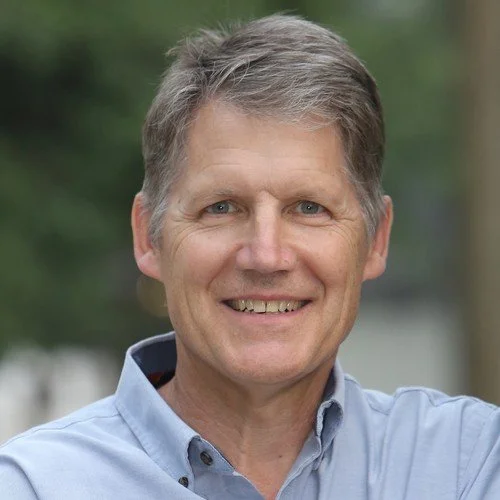
2026 Election Candidate
Environmental
A core principle of Vernon's Official Community Plan is to prevent sprawl and limit growth to within the urban containment boundary.
a) Under what conditions do you think Council should make an exception to this core principle?
b) Please give local examples of existing 'good' and 'not good' building development in Vernon, and explain why.
a) Exceptions should be rare. I would consider one only when:
- An important community need can’t reasonably be met inside the boundary; or
- A minor boundary adjustment would create a significant net public benefit.
Any exception would also require:
- A transparent public process;
- Confirmed water, fire protection and transportation capacity;
- A thorough, credible lifecycle-cost analysis;
- Developer payment of related infrastructure costs; and
- Protection of agricultural land and sensitive ecosystems.
b) Local examples
The Hub is a good example:
- Added 57 homes and street-level commercial space downtown.
- Located close to shops, services and transit.
- Uses already serviced land and public infrastructure efficiently.
Adventure Bay is a weaker development pattern:
- Largely single-family housing; many homes exceeding 3,000 square feet.
- Located 13km from core, far from most daily needs.
- Car dependent; makes public transit difficult.
- Requires more road/utility infrastructure per household.
- Wasteful of water
- Places added pressure on natural areas.
Vernon has a Climate Action Plan (CAP) that aims to reduce GHG emissions in transportation, buildings and waste, and prepare for climate impacts like wildfires, heat domes, floods, severe weather events.
a) What aspects of this plan are most important and urgent and how will you ensure implementation?
b) The CAP will undergo a review process in 2027. What would you like to see in a revised CAP?
a) My immediate priorities are:
- Adaptation: Prepare for wildfire, extreme heat, drought and flooding through water planning, FireSmart measures, shade and cooling, resilient infrastructure and support for vulnerable residents.
- Transportation: Creates about 63% of Vernon’s emissions. Compact growth, safer walking and cycling, better transit and EV charging should be central.
- Implementation: Continue to set and measure annual actions and report results publicly. The City should lead through its own operations; give residents and businesses practical information and support.
b) The revised CAP should:
- Share inspiring stories of success in climate action like Climate Action Ripple Effect (CARE) Transit 4 Teens and local heroes (Terry Dyck, Mary Stockdale)
- Emphasize trees, wetlands, streams and soils as infrastructure that protects water, reduces heat and flooding, and supports biodiversity.
- Give people and businesses practical, affordable actions and information about available support.
- Address what and how much we consume by encouraging less waste, repair and reuse through information and incentives, and buy local; don’t blame.
Do you support the use of public funds to contribute to acquiring natural lands for environmental conservation purposes? Under what conditions would the perceived need for more housing, businesses, roads and other infrastructure prompt you to trade away natural lands with high ecological value for urban expansion?
Public funds
- Yes, particularly provincial and federal funds. Protecting significant lands serves regional, provincial and national interests.
- Municipal/regional funding should be used selectively. Acquisitions should fit parks and natural-land plans, protect important habitat or ecological connections, provide clear public benefit and include the long-term cost of stewardship.
- The City should seek grants and partnerships with Indigenous governments, land trusts, conservation organizations, private donors and landowners rather than relying only on local taxpayers.
Trading land
- The need for housing, businesses, roads or other infrastructure alone wouldn’t justify developing land with high ecological value. First use serviced land within the urban boundary more efficiently.
- Consider development only if the land is already surrounded by urban development and independent assessment showed that much of its original ecological function had been lost.
- Even then, alternatives must be examined, damage minimized and remaining habitat protected and connected.
- Land that continues to provide significant habitat, water, cooling or other natural functions should be retained.
Our water reservoirs are at critically low levels. No longer can we count on having the water resources we enjoyed even a few years ago. Drought, contamination, increasing demand are just some of the water issues. What actions would you prioritise to protect our creeks, lakes, aquifers, and groundwater for home and agricultural water sources, habitat for fish and wildlife, and human recreation?
Water governance is shared: RDNO runs Greater Vernon Water, the Province controls licences, and the City guides growth and helps make regional decisions. I would use Vernon’s voice at GVAC/RDNO and work collaboratively with OKIB, agricultural water users, neighbours and senior levels of government.
My priorities:
- Protect water at its source: safeguard creeks, wetlands, aquifers and reservoir watersheds; improve monitoring and prevent contamination.
- Plan for a hotter, drier future with conservative forecasts and clear reporting on supply, demand and drought risk.
- Assess new supply carefully. Historic licences may offer options, including Okanagan Lake water for agriculture. But a licence doesn’t guarantee usable water. Access may require intakes, pipes or treatment, environmental approval, and proof of supply during drought. Compare full lifecycle costs.
- Reduce waste through leak detection, metering, efficient irrigation, drought-tolerant landscaping and incentives.
- Tie development to proven water capacity and make growth pay its fair share of upgrades.
- Set clear drought stages protecting basic household needs, agriculture, fish and wildlife.
Social
What personal and/or professional experience has most shaped your understanding of Truth and Reconciliation, and how would it influence your decisions as a municipal elected official?
As an English and Social Studies teacher, I regularly encountered stories and information that exposed me to the realities Indigenous students and their families face in our community. I also recognize that I didn’t always navigate those responsibilities as well as I could have. But I kept pushing myself to learn and understand more.
Two experiences stand out. Visiting the former Kamloops Indian Residential School alongside one of its former students left a powerful impression. Later, an extended cultural safety course with Eric Mitchell and Chris Marchand deepened my understanding. Their approach was compassionate but unrelenting in confronting difficult truths.
These experiences taught me that reconciliation requires humility, sustained relationships and action—not simply good intentions. As a councillor, I would listen before assuming, engage Indigenous leaders early in decisions, and look for opportunities to maintain and deepen the City’s relationship with OKIB and the wider Syilx community. One practical opportunity is meaningful Syilx collaboration in developing Vernon’s arts and culture policies and actions.
What is one action the municipality should take to strengthen our local food system and improve access to healthy, affordable food? Why that action?
We should work with RDNO, NexusBC, schools, housing providers and neighbourhood groups to expand Greater Vernon’s community gardens into a network of food-growing spaces across the city.
The City could identify suitable City-owned and other public land, especially near residents who have little or no yard space; and help provide long-term land access, water-efficient irrigation, accessible raised beds and modest startup support. Gardens could include individual plots, shared beds and food-growing workshops. Community partners should operate them.
Community gardens won’t solve food insecurity on their own, but they are a practical way for the municipality to help. They give people direct access to fresh, affordable food and the agency to grow it themselves. They also support active living, build food skills, bring generations and cultures together, and create opportunities for neighbours to share knowledge and solve problems. Their value goes beyond the food produced: they build stronger neighbourhoods and a more resilient local food system.
What is one specific change you would make to better support local non-profits, and do you have personal experience (e.g. volunteer, board member, staff, and/or passion for a specific issue) that informs that action? Please include one brief example.
I would advocate for a clearly identified City contact for local non-profits. They would help groups reach the right department, understand permits and grant opportunities, access City spaces and information, obtain letters of support and explore partnerships. That doesn’t mean funding every request or having City Hall run community programs. It means making the City easier to work with and helping strong community ideas move forward.
My experience co-founding Climate Action Ripple Effect (CARE) informs this approach. CARE connects students with teachers, community mentors, non-profits, experts and local governments to develop projects that support local climate goals. I’ve seen how much becomes possible when someone brings the right people together and how easily volunteer energy can be lost when responsibilities and points of contact aren’t clear. The City’s role is not to take over; it’s to open doors, share its expertise and remove avoidable barriers.
Should the municipality continue to secure and provide land for affordable housing projects? Why or why not? If yes, how would you handle any neighbourhood concerns brought forward to Council?
I support providing suitable City-owned land, through a long-term lease rather than a sale. This can remove a major project cost, assure public ownership and help a non-profit attract provincial or federal investments, making affordable rents possible.
I would consider securing land only if a suitable site became available through a donation or at a very favourable price and only if a capable non-profit partner, substantial provincial or federal funding, a sound business case and long-term affordability protections were all in place.
Existing City land should also be assessed carefully before choosing housing over other public uses.
Neighbourhood concerns should be heard early. I would expect clear information and meaningful discussion of traffic, parking, design, safety, servicing and property management. Changes should be made where improvements can address legitimate concerns without undermining the project.
However, concern about who might live there shouldn’t result in a neighbourhood veto. Council must balance local concerns with the need for homes and its responsibility to the whole community.
Cultural
Vernon does not have a dedicated public art policy to guide how public art is selected, funded, maintained, or removed, while regional cultural direction sits with the RDNO through the Greater Vernon Cultural Plan. Do you support developing a public art policy for Vernon, and how would you coordinate the City's role with the Plan?
Yes. Vernon should move forward with the stalled Public Art Policy
- It should consider how public art is supported, where it appears, how decisions are made and how art can be incorporated into buildings, streets, parks, etc, not only displayed as stand-alone works.
- It should consider accessibility, community and artist participation, Indigenous cultural expression, long-term care and opportunities beyond downtown.
- We should use the Greater Vernon Cultural Plan as a framework for regional cooperation while ensuring Vernon can establish its own priorities for City property, public spaces, infrastructure and municipal projects.
- In regional decision-making, I would advocate for clear responsibilities and coordinated investment so that regional and City initiatives reinforce one another and avoid gaps or duplication.
- I would support making the Greater Vernon Cultural Centre an anchor for a wider downtown cultural district, with City planning and investment connecting it to surrounding streets, public spaces, public art, businesses, events and transportation.
With more than 75 arts and culture groups active in the region, how would you work to remove barriers and strengthen City partnerships so that public spaces and facilities are accessible and equipped for community programming and gatherings?
The City and RDNO should work with existing arts and culture organizations to hold focused discussions with different artistic disciplines, small and large groups, facility operators and accessibility experts.
The process should identify:
- barriers involving space, equipment, funding and local government procedures;
- facilities and resources that are underused or difficult to access;
- opportunities to share space, equipment, expertise or programming;
- discipline-specific needs
- challenges over use of limited venues;
- “quick win” improvements and longer-term priorities; and
- areas of responsibility for the City, RDNO or other partners.
Staff should report publicly on priorities, responsibilities, likely costs and next steps. The consultation should determine which measures would make the greatest difference.
The goal should be shared commitment and coordinated action, not another open-ended study.
Arts and culture help shape who we are as a community. As Vernon continues to grow, how do you see our identity changing, and what kinds of arts and culture initiatives would you support to strengthen that future?
Vernon’s population is growing and becoming more culturally diverse. I also expect the history, presence and contemporary contributions of the syilx people to become more visible and better understood. Climate change will affect our experience of the natural world, while technology and a faster pace may weaken face-to-face connections.
We’ll need to be more intentional about creating places and opportunities for people to connect. Wider participation in arts and culture can help us understand change, experience perspectives different from our own and develop a stronger sense of belonging.
I would support:
- accessible, participatory programs that invite residents to attend and create;
- syilx-led and culturally diverse programming that helps more people see themselves in Vernon’s story;
- opportunities for young people, newcomers and neighbourhoods to share their experiences; and
- festivals, public art and community projects that bring people together in everyday public spaces.
The City shouldn’t try to define Vernon’s identity. It should make room for people to express it by supporting partnerships, reducing barriers and ensuring public spaces welcome creative participation.
Artists make up as much as 12% of the North Okanagan population and the sector generates over $126 million in direct economic activity and $46 million in GDP, how will you strengthen the role arts and culture play in our local economy, tourism, and community wellbeing?
Arts and culture creates work, attracts visitors, supports nearby businesses and gives people reasons to gather and participate in community life.
I would support:
- connecting the Greater Vernon Cultural Centre to downtown revitalization through a cultural district linking arts venues, public spaces, public art, events and local businesses;
- developing tourism plans with artists and cultural organizations at the table, promoting year-round experiences that encourage visitors to stay longer and spend locally;
- building partnerships between the arts and agriculture sectors through farm-based events, markets and storytelling rooted in the North Okanagan;
- strengthening the sector through suitable spaces, straightforward permits, fair access to grants and opportunities for local artists in public projects; and
- keeping community programming accessible so the benefits include local participation, belonging and wellbeing, not just visitor spending.
The City should connect its partners, remove barriers and coordinate its planning with its investments. Success would mean more opportunities for artists, stronger local businesses and more residents participating in cultural life.
Economic
The business tax base is critical to the provision of services at the municipal level. How would you support business retention and expansion in the City of Vernon?
Keeping and helping existing businesses grow should be central to Vernon’s economic development work. I would build on annual Business Walks and existing partnerships by asking the City to report publicly on recurring concerns, planned responses and progress.
For businesses seeking to expand, I would support a lead City contact for complex proposals, clear requirements and reasonable timelines. Vernon should use its employment-land inventory to determine which sites are ready for development and where water, transportation or servicing gaps need attention.
Rather than create another “buy local” campaign, the City should strengthen and assess existing Chamber and downtown initiatives, making local businesses easier to find and support.
The City should also watch for new areas of economic activity, bring businesses and educators together, and remove practical barriers. It shouldn’t try to pick winners. Opportunities should be judged by Vernon’s strengths, lasting jobs, tax benefits and demands on land, water and infrastructure. Progress should be measured through business retention, expansions and jobs
Finding employees has consistently been identified as a top challenge by Vernon businesses in the City of Vernon Business Walks surveys. How should the City support businesses in meeting their workforce needs?
Vernon already has useful workforce programs and partnerships.
The City should build on them by:
- Continuing to support the Rural Community Immigration Pilot administered by Community Futures. Success means not only recruiting skilled newcomers, but helping them and their families find housing, services and a sense of belonging.
- Using the City’s annual visits and surveys of local businesses to identify the main workforce problems, agree on actions and responsibilities, and report publicly on progress
- Working with Okanagan College, School District 22, employers and youth organizations to hold small discussions and surveys with students, apprentices and young workers about what would help them stay, return or move here.
- Supporting more rental and affordable housing near employment and transit routes, and reviewing whether transit serves major workplaces when early and late shifts begin and end.
Employers remain responsible for competitive pay, training and good working conditions. Our shared efforts should be judged by whether hard-to-fill positions are filled and people build lasting lives here.
What role does the City have with supporting growth-oriented sectors like manufacturing and agricultural processing?
The City can help manufacturing and agricultural processing businesses invest and expand while protecting the broader interests of Vernon residents.
It should:
- Work with the RDNO and neighbouring communities to identify suitable sites, coordinate infrastructure and retain industrial land for employment.
- Give complex proposals a lead City contact to coordinate planning, engineering and permits, with clear requirements and reasonable timelines.
- Plan roads, water and sewer for employment areas, assess long-term costs and capacity, and ensure projects pay their fair share of the servicing they require.
- Work with agricultural groups, building on the Regional Agricultural Plan, to test whether shared processing, cold storage or distribution facilities meet a demonstrated need.
Council should also consider effects on water supply, neighbouring uses, traffic, the environment and municipal finances when making land-use and servicing decisions. Support should reflect lasting jobs, local strengths and public benefit. Helping viable ventures succeed should not leave residents bearing costs or impacts that have not been properly addressed.
Considering the recent water and fire crisis, how should the City assist businesses to become more resilient to future risk?
Recent crises show that emergency preparedness is also economic preparedness.
The City should build on work already underway:
- Bring Vernon’s flood maps, emergency alerts and wildfire plans together in a guide that helps businesses understand local risks, what they can do and whom to contact.
- Make FireSmart advice and property assessments available to businesses where appropriate and reduce the current wait-list.
- Work with Community Futures and business groups to help businesses prepare simple emergency plans covering staff safety, closures, communications and suppliers, building on existing services rather than duplicating them.
- Work through Greater Vernon Water to complete and publish the Water Capacity Study, then use it to update the Master Water Plan. This work should address repeated drought, practical supply and storage options, infrastructure, water loss and conservation.
- Before each summer, provide a clear water-supply outlook, explain when restrictions may change, alert affected businesses promptly and examine where greater use of recycled water makes sense.
The City cannot remove every risk, but it can help businesses prepare and recover.
Health
As Mayor / Councilor, how would you work to attract and retain medical professionals in Vernon?
Health care is provincial, but access to timely, effective care matters locally. Primary care is the clearest gap; other health workers face different barriers.
I would:
- Build on Community Futures’ work, including housing for medical residents and a proposed community health centre, rather than create a competing City program.
- Ask Interior Health, Community Futures and the Division of Family Practice to identify which jobs are hardest to fill, what retirements are coming and why people leave.
- After the Silver Star Road urgent-care centre opens, assess what gaps remain in ongoing family care. Based on that assessment, explore whether City property or limited incentives, offered through a fair process, could support a team-based clinic with a qualified operator and provincial and regional partners.
- Continue to work with developers to support the development of attainable housing options appropriate to meet the needs and budgets of healthcare workers who would like to move to and live in Vernon.
- Support maintaining the rural community immigration pilot for eligible health occupations.
If elected, what specific actions would you take within the authority of your municipal office to improve access to in-person mental health supports and services in our community, and how would you work with other levels of government to strengthen support for those services?
Mental-health care is provincial, but we can identify gaps, remove local barriers and advocate for action.
I would:
- Ask Interior Health, CMHA Vernon, Foundry, other providers and people with lived experience to identify gaps in in-person care, including after-hours care and services for people experiencing homelessness or substance use.
- Support Foundry North Okanagan’s 2027 opening by responding promptly to City matters, assessing further municipal support openly and seeking fair regional contributions.
- Ask that existing RCMP quarterly reports add crisis-team coverage, response times, outcomes, hospital waits, repeat calls and unmet demand, then, if justified, use the findings to advocate for more mobile care and a non-police option when there is no safety risk.
- Press Interior Health for in-person and outreach services that address mental health and substance use together and connect unhoused people with housing supports.
I would work with the RDNO and neighbouring communities to build on regional cooperation and make a shared request to Interior Health and the Province for the staff and operating funds these services require, then report on progress.
How will you ensure that our planning of our built environment, our programs and our policies are accessible, and support the physical and mental health needs of our population?
Vernon has adopted a regional Accessibility Plan and an Age and Dementia Friendly Community Plan, and related work is underway. My focus would be implementation and public accountability.
I would:
- Ask Council to set annual priorities, budgets and public progress measures for Vernon’s responsibilities under both plans.
- Seek early input from the regional Accessibility Advisory Committee and people with lived experience on major City buildings, parks, streets, public spaces and program changes.
- Ask major planning and budget reports to explain effects on accessibility, physical activity, heat safety, access to services, social connection and mental well-being.
- Support steady implementation of the Transportation Plan’s walking, cycling and multi-use path network, prioritizing missing links to schools, services, parks and recreation
- Act on priorities including winter access to sidewalks and bus stops, accessible washrooms, seating and shade, affordable recreation programs and accessible formats for City information.
I would work on shared responsibilities with the RDNO, BC Transit and community partners to coordinate improvements and avoid duplication.
What would you do to support the physical and mental health of members of our community against the effects of climate change, especially those who are most vulnerable?
Heat, smoke, wildfire and flooding can worsen illness, isolation and anxiety. Vernon is already working on related responses. I would focus on closing gaps for people at greatest risk.
I would:
- Ask City staff to work with Interior Health and service providers to develop one pre-summer heat and smoke guide showing accessible cooling and clean-air spaces, their hours, transportation options and the agencies responsible for outreach and assistance.
- Support completing and implementing the Urban Forestry Strategy, with shade prioritized along walking routes, at bus stops and in neighbourhoods with the greatest heat exposure.
- Continue funding FireSmart, fuel reduction, flood protection and emergency alerts, while ensuring evacuation and reception-centre plans are accessible and connect displaced residents with mental-health support.
- Ask that the Climate Action Plan update set clear health-protection priorities and develop a plan to report publicly on their implementation.
I would work with neighbouring governments and press the Province to fund health, housing and emergency supports beyond municipal authority.
