
Amy Klassen
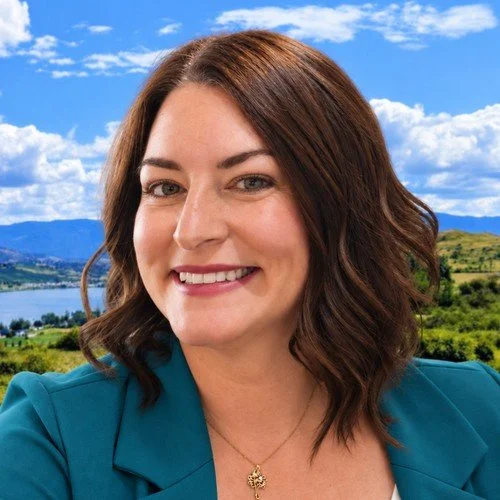
2026 Election Candidate
Environmental
A core principle of Vernon's Official Community Plan is to prevent sprawl and limit growth to within the urban containment boundary.
a) Under what conditions do you think Council should make an exception to this core principle?
b) Please give local examples of existing 'good' and 'not good' building development in Vernon, and explain why.
I think the urban containment boundary should generally be respected. I would only consider an exception if there was a clear public benefit, no reasonable option to build within the existing urban area, and we understood the full cost of roads, water, sewer and other services. I would also want to make sure we were not giving up important ecological or agricultural land unnecessarily.
A good local example is The Hub on 28th Avenue. It adds housing and commercial space downtown, close to existing services and infrastructure. I am less supportive of older development patterns along Highway 97 that use a lot of land for parking and make people dependent on driving. As Vernon grows, I think we should make better use of the land and infrastructure we already have.
Vernon has a Climate Action Plan (CAP) that aims to reduce GHG emissions in transportation, buildings and waste, and prepare for climate impacts like wildfires, heat domes, floods, severe weather events.
a) What aspects of this plan are most important and urgent and how will you ensure implementation?
b) The CAP will undergo a review process in 2027. What would you like to see in a revised CAP?
I think the most urgent priorities are preparing for what we are already experiencing: wildfire, extreme heat, drought and pressure on our water supply, while also continuing to reduce emissions.
The Climate Action Plan needs to be something we actually use. I would want clear priorities, timelines, costs and regular updates so we know what is working and what is not. Climate planning should also be part of decisions about roads, buildings, infrastructure and growth.
For the 2027 review, I want us to use the local information we are already collecting about drought, wildfire risk, transportation and our urban forest. Affordability also matters. We should focus on practical actions that save money or prevent bigger costs later. I would also use my knowledge of government to aggressively pursue provincial and federal funding so local taxpayers are not carrying the whole cost.
Do you support the use of public funds to contribute to acquiring natural lands for environmental conservation purposes? Under what conditions would the perceived need for more housing, businesses, roads and other infrastructure prompt you to trade away natural lands with high ecological value for urban expansion?
Yes, I support using public funds to help protect natural land when the environmental value is high and the purchase makes financial sense.
Natural areas are not just empty land waiting to be developed. Wetlands, creeks, forests and grasslands provide wildlife habitat, shade, cleaner water, stormwater management and places for people to enjoy.
We absolutely need more housing, but that does not mean we should automatically expand into environmentally important areas. I would first look at infill, redevelopment and land that is already within the urban area. If development on sensitive land was being considered, I would want good environmental information, a serious look at the alternatives and a clear understanding of the long-term costs and benefits before making that decision.
Our water reservoirs are at critically low levels. No longer can we count on having the water resources we enjoyed even a few years ago. Drought, contamination, increasing demand are just some of the water issues. What actions would you prioritise to protect our creeks, lakes, aquifers, and groundwater for home and agricultural water sources, habitat for fish and wildlife, and human recreation?
Water security is becoming more important, and this year's drought showed us why. It also showed that Greater Vernon can respond when needed, with residents, businesses and agricultural users working hard to conserve water.
I would prioritize protecting our watersheds, creeks, wetlands, groundwater and lakes. Our lakes are not only places for recreation and tourism; they support fish and wildlife and are important sources of drinking and agricultural water.
We also need to take pollution and invasive species seriously. I would support stronger inspection and decontamination of high-risk watercraft entering our region, advocate for stronger provincial and federal protections, and consider restrictions on motorized watercraft on particularly sensitive lakes.
Social
What personal and/or professional experience has most shaped your understanding of Truth and Reconciliation, and how would it influence your decisions as a municipal elected official?
Truth has to come before reconciliation. My great-grandfather was forced into residential school as a child, where he was treated poorly and taught to be ashamed of his Indigenous culture. That shame stayed with him. He became afraid to pass his culture on to his children and grandchildren, and our family still feels that loss.
The residential school system was designed to separate Indigenous children from their families, cultures and identities and assimilate them into Canadian society. That harm did not end when the schools closed. Its effects have carried through generations.
I worry that people are losing sight of this history, and that some are trying to distort or minimize what happened. Reconciliation cannot happen if we are not honest about the past and its ongoing effects.
Being engaged with my local Métis community has helped me reconnect with culture, learn from Elders, hear stories and help keep traditions alive for the next generation.
As a councillor, that history would remind me to listen, build respectful relationships with Indigenous communities, and make sure reconciliation is reflected in how we approach land, heritage and community decisions.
What is one action the municipality should take to strengthen our local food system and improve access to healthy, affordable food? Why that action?
One idea I would like Vernon to explore is supporting a local food co-op or year-round food hub where smaller farmers and producers could sell directly to local residents.
We have wonderful producers throughout the North Okanagan, but smaller operations do not always have the time, space or resources to operate their own storefronts. A shared market could give them an affordable place to sell their products while making locally grown food easier for residents to find and buy.
The City would not need to run the business itself. It could help bring producers and community organizations together, identify appropriate land or space, make sure zoning supports it, and aggressively pursue provincial and federal funding for shared infrastructure.
Vernon's own OCP already supports local food production, processing and sourcing and encourages a year-round community farmers market. I think this is an idea worth seriously exploring for both food security and our local economy.
What is one specific change you would make to better support local non-profits, and do you have personal experience (e.g. volunteer, board member, staff, and/or passion for a specific issue) that informs that action? Please include one brief example.
One specific change I would support is giving local non-profits and volunteer-run groups a clear point of contact at City Hall who can help them navigate grants, permits, facility bookings and partnership opportunities.
Volunteers should not have to spend hours figuring out which department to call or repeating the same information to different people. Having someone help them understand the steps and connect with the right staff would make working with the City easier.
I serve on the board of my local Métis Society, where we support cultural programming, community connection and food-security initiatives. That work has shown me how much community groups accomplish with limited time and funding. Our food-security initiatives are one example of why that time matters: volunteers have practical work to do to help people. I would like the City to make that work easier.
Should the municipality continue to secure and provide land for affordable housing projects? Why or why not? If yes, how would you handle any neighbourhood concerns brought forward to Council?
Yes. I think the City should continue to secure and provide land for affordable housing projects. I do not believe the private market alone can provide enough housing at prices that many working people, seniors and lower-income residents can afford. Government has a role to play, especially by contributing land and working with non-profits, housing providers and other levels of government.
If neighbours raise concerns, I would listen carefully and address practical issues such as traffic, parking, design and neighbourhood fit where possible.
But I also think we need to be careful about stigma. Having a lower income does not make someone a bad neighbour. Laws and community standards still apply to everyone. Many good people are simply struggling with the cost of housing and need a safe, stable place to live, just like anyone else.
Council should take practical concerns seriously while making sure people who need affordable housing have a fair place in our community.
Cultural
Vernon does not have a dedicated public art policy to guide how public art is selected, funded, maintained, or removed, while regional cultural direction sits with the RDNO through the Greater Vernon Cultural Plan. Do you support developing a public art policy for Vernon, and how would you coordinate the City's role with the Plan?
Yes, I would support a public art policy for Vernon. Public art can make a city more interesting, welcoming and connected to its history, but there should be a clear and fair process for how it is chosen, funded, looked after, and, when necessary, removed.
I would want Vernon’s policy to work with the Greater Vernon Cultural Plan so we build on the regional work already being done rather than duplicate it.
I would also want public art to reflect the people and stories that have shaped this area. That means including and respecting local Indigenous Nations and cultures, while also recognizing the many settler communities and other groups that have contributed to Vernon’s history and continue to shape the community today.
Local artists and community voices should be part of that process, and we should also be realistic about costs and long-term maintenance.
With more than 75 arts and culture groups active in the region, how would you work to remove barriers and strengthen City partnerships so that public spaces and facilities are accessible and equipped for community programming and gatherings?
I would start by asking local arts and culture groups what barriers they are actually running into. Sometimes the biggest problems are not huge projects, but things like rental costs, confusing booking processes, limited storage, accessibility issues or spaces that simply are not set up well for community events.
I would like the City to make it easier for groups to understand what facilities, grants and partnership opportunities are available, with a clear point of contact instead of having people bounced between departments.
I would also support reviewing facility rates for non-profit and community groups, improving accessibility where needed, and making sure new or renovated public spaces are designed with community programming in mind.
We already have a strong arts and culture community. The City does not need to run everything, but it can make it much easier for those groups to do what they already do well.
Arts and culture help shape who we are as a community. As Vernon continues to grow, how do you see our identity changing, and what kinds of arts and culture initiatives would you support to strengthen that future?
As Vernon grows, I think our identity will keep changing, but we should make sure we do not lose the stories and traditions that make this place feel like home.
I would support arts and culture initiatives that reflect both where we have come from and who we are becoming. That means making space for Indigenous culture, local history, newcomers, young people, and the many communities that now call Vernon home.
I would like to see more public art, live music, festivals, community events and opportunities for local artists to share their work. I also think these activities should be affordable and easy to access, so they are not only for people who can afford expensive tickets.
Arts and culture help people feel connected to each other and to the place they live. As Vernon grows, that sense of belonging will become even more important.
Artists make up as much as 12% of the North Okanagan population and the sector generates over $126 million in direct economic activity and $46 million in GDP, how will you strengthen the role arts and culture play in our local economy, tourism, and community wellbeing?
Arts and culture are not just “extras.” They are part of our local economy, our tourism sector and our quality of life.
I would support practical ways to help local artists and cultural groups earn a living and reach more people. That includes using local artists in public art projects, supporting affordable spaces for performances, exhibits and workshops, and promoting arts and cultural events through Tourism Vernon.
I would also support partnerships that make it easier for artists and groups to access grants, City facilities and community spaces, and I would like to see the Greater Vernon Cultural Centre become a strong anchor for this work.
Vernon already recognizes arts and culture as part of building a vibrant downtown and attracting visitors. I think we should keep building on that while making sure local artists and organizations benefit from the growth they help create.
Economic
The business tax base is critical to the provision of services at the municipal level. How would you support business retention and expansion in the City of Vernon?
I would support business retention and growth by making Vernon a place where it is easier to do business without lowering standards.
That means clear and predictable permitting, reasonable timelines, and making sure businesses understand what is required before they invest time and money. I would also want the City to keep talking directly with local businesses about the barriers they are facing, rather than assuming we already know. Supporting existing businesses should be just as important as attracting new ones.
Affordable housing, transportation, safe streets and reliable infrastructure also matter because businesses need workers who can afford to live here and customers who want to spend time here.
I would support local procurement where practical, promote Vernon as a place to invest, and work with other levels of government to pursue funding for infrastructure and economic development. I would also like us to attract businesses that provide stable jobs and good wages, so economic growth actually improves life for local residents.
Finding employees has consistently been identified as a top challenge by Vernon businesses in the City of Vernon Business Walks surveys. How should the City support businesses in meeting their workforce needs?
I think the City’s biggest role is helping make Vernon a place where workers can actually afford to live and get to work.
Affordable housing is a major part of that. If people cannot find housing they can afford, businesses will keep struggling to recruit and retain staff. Reliable transit, safe transportation options and access to childcare also matter for workers trying to build a life here.
The City should also work closely with Okanagan College, local employers and other partners to understand where the biggest labour shortages are and support training and recruitment efforts where we can.
I would also keep listening directly to businesses through things like the Business Walks program, because workforce needs change over time. We should be using that information to guide housing, transportation and economic development decisions rather than treating each issue separately.
What role does the City have with supporting growth-oriented sectors like manufacturing and agricultural processing?
I think the City’s role is to make sure businesses have the basics they need to grow: suitable land, reliable infrastructure, clear zoning, predictable permitting and a workforce that can afford to live here.
Manufacturing and agricultural processing can create stable, good-paying jobs and add more value to products before they leave our region. That is especially important in agriculture, where processing locally can help strengthen both farmers and the wider economy.
I would support protecting appropriate industrial land, making City processes easier to navigate, and working with businesses to understand what infrastructure or servicing barriers are holding them back.
The City should also work with the Province, federal government and regional partners to pursue funding and investment opportunities. We do not need to run these businesses, but we can help create the conditions that allow them to succeed.
Considering the recent water and fire crisis, how should the City assist businesses to become more resilient to future risk?
The recent fires and drought showed how quickly a business can be affected even when the emergency is not at its front door. Roads can close, staff may be displaced, customers stay home, water use can be restricted and supply chains can be disrupted.
I would like the City to work with businesses before the next emergency, not just during one. That could mean practical help with business-continuity plans, clear emergency communication, FireSmart and water-efficiency information, and making sure businesses know what grants or programs are available to help them prepare.
After an emergency, the City should also be ready to help businesses recover quickly by providing clear information, coordinating with other levels of government and removing unnecessary delays where possible.
Vernon already encourages businesses to prepare continuity plans and sign up for emergency alerts. I would build on that work and make preparedness something we do routinely, not only when a crisis is already happening.
Health
As Mayor / Councilor, how would you work to attract and retain medical professionals in Vernon?
The City does not hire doctors, but it can help make Vernon a place medical professionals and their families want to choose and stay.
I would work closely with Interior Health, Community Futures and local medical partners on recruitment and retention, and ask what is actually getting in the way. Sometimes recruitment is not just about the job. A doctor or nurse may also be thinking about housing, childcare, schools, a partner’s employment and whether their family can build a good life here.
The City can help by supporting workforce housing, promoting Vernon as a community, connecting new professionals and their families with local resources, and advocating strongly to the Province when local health-care gaps need attention.
Retention matters just as much as recruitment. If people feel welcomed, supported and able to afford a life here, they are more likely to put down roots and stay.
If elected, what specific actions would you take within the authority of your municipal office to improve access to in-person mental health supports and services in our community, and how would you work with other levels of government to strengthen support for those services?
I would start by listening to local providers and residents about where the biggest gaps are, then use the City’s relationships, planning tools and advocacy to help close them.
Locally, I would support partnerships that make it easier for people to get help in person, especially before someone reaches a crisis. That could include helping community organizations navigate City processes, supporting appropriate spaces for services, and making sure zoning or permitting does not create unnecessary barriers.
I would also advocate directly to the Province and Interior Health for more local mental-health professionals, treatment options and timely in-person care.
We already have community organizations and partnerships doing important work. I would focus on what is working, identify where people are still falling through the cracks, and keep pushing for the services Vernon actually needs.
How will you ensure that our planning of our built environment, our programs and our policies are accessible, and support the physical and mental health needs of our population?
I think accessibility and health need to be considered from the beginning, not added as an afterthought.
When we plan streets, parks, buildings and public spaces, I would want us to think about whether people of different ages and abilities can actually use them safely and comfortably. That means things like accessible sidewalks and crossings, places to sit and rest, shade and trees, safe walking and cycling routes, and access to transit and recreation.
The same applies to City programs and policies. Information should be easy to understand, services should be easy to access, and we should listen to the people who are most affected when barriers are identified.
Good planning can support both physical and mental health by helping people stay active, connected and included in their community. I would like Vernon to use universal design wherever practical so we are building a city that works for more people from the start.
What would you do to support the physical and mental health of members of our community against the effects of climate change, especially those who are most vulnerable?
Climate change affects everyone, but it does not affect everyone equally. During heat waves, wildfire smoke and other extreme events, some people are much more vulnerable because of age, disability, health, housing or income.
I would support making sure Vernon has accessible cooling and clean-air spaces, clear emergency information, and strong outreach through community organizations that already know and serve vulnerable residents. Those spaces also need to be practical to reach, including for people who rely on transit.
Longer term, I would support more shade and tree canopy, safer walking routes, resilient public spaces and planning that reduces exposure to extreme heat and smoke.
I also think we should learn from each emergency. After a major heat, smoke or fire event, the City should look at what worked, where people struggled to get help, and what we need to improve before the next one.
