
Paul Britton
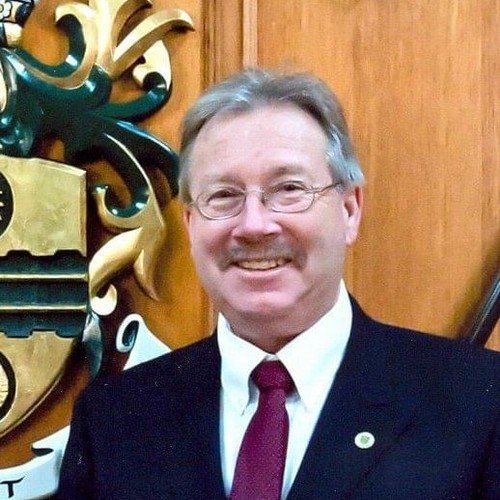
2026 Election Candidate
Environmental
Policies in the Armstrong Official Community Plan "direct future growth strategically to protect ecological and agricultural areas, offer more housing and transportation choices, support economic prosperity and diversity, prioritize sustainable municipal infrastructure planning, enhance community wellbeing, and support our transition to a more sustainable and climate resilient community." Please give local examples of 'good' and 'not good' building development in Armstrong, and state why. Do you support the downtown revitalization plan for Armstrong and why/why not?
The OCP calls for growth that respects Armstrong’s heritage and character, supports appropriate densification, and makes the downtown the heart of the community. Park Place on Okanagan is considered a “good” development as it adds housing within the existing urban area rather than expanding outward into the ALR lands. It supports increased density and diverse housing options while directing growth in appropriate areas. While not everyone likes the design, the CARI project has improved the infrastructure and making the downtown more accessible, safer and respects Armstrong's downtown character.
Yes, I support the goals of Downtown Revitalization Plan. Armstrong needs a vibrant, attractive and accessible downtown that supports local businesses and brings people into the core. However, I believe implementation needs to be financially responsible, maintain adequate parking and access for businesses. Council still needs to scrutinize costs, design and implementation of the next phases.
Armstrong has experienced significant climate impacts for the last few years. How do you propose to address these crises, both in preparing ahead for disasters like drought, wildfires, heat domes and floods, as well as reducing greenhouse gas (GHG) emissions that lead to climate change?
Armstrong needs to prepare for climate impacts while doing our part to reduce greenhouse gas emissions. I would focus on practical measurable actions. We should strengthen wildfire preparedness through FireSmart, fuel management, evacuation planning and protection of critical infrastructure. We also need to improve flood and drought resilience by protecting water supplies, maintain drainage infrastructure and working farmers and the Township of Spallumcheen on Water security. For extreme heat, we should expand tree cover and shade, identify cooling spaces and ensure emergency information reaches vulnerable residents. We can also reduce emissions through energy-efficient municipal buildings, LED lighting, efficient vehicles and equipment and thoughtful land-use planning that reduces unnecessary vehicle use. The City has already taken important steps on wildfire and extreme heat planning but we should pursue senior government funding , measure progress, and make climate resilience part of major infrastructure and development decisions.
Do you support the use of public funds to contribute to acquiring natural lands for environmental conservation purposes? Under what conditions would the perceived need for more housing, businesses, roads and other infrastructure prompt you to trade away natural lands with high ecological value for urban expansion?
Yes, I support the responsible use of public funds to acquire and protect natural lands with significant ecological, recreational, or water shed value, provided the purchase is financially responsible and delivers clear long term benefits to the community. I would not support giving up high value natural lands simply because development is easier there. Armstrong should first prioritize infill, appropriate density, redevelopment of existing urban area, and efficient use of existing infrastructure. Protecting agricultural land and environmental sensitive areas should be key considerations.
For me, growth and conservation are not mutually exclusive. We can accommodate housing, businesses and infrastructure while protecting the natural areas, agricultural lands that contribute to Armstrong’s identity and long-term resilience.
Drought, contamination, increasing demand are just some of the water issues. What actions would you prioritise to protect our creeks, lakes, aquifers, and groundwater for home and agricultural water sources, habitat for fish and wildlife, and human recreation?
Water security needs to be a long-term priority for Armstrong. I would focus first on protecting our watersheds, aquifers, and groundwater from contamination and overuse, while improving our ability to manage drought. The City7 should work with farmers, residents, the Township of Spallumcheen, regional and provincial governments and water users to monitor water quality and availability, protect riparian areas and promote water conservation and efficient irrigation.
We should also ensure that new development does not replace unstainable demands on our water systems or increase risks to creeks and groundwater. Where practica, the City should invest in infrastructure that reduces water loss, encourages reuse and improves drought resilience. Healthy waterways are essential not only for drinking and agricultural water, but also for fish and wildlife, recreation and overall health of our community. Protecting them today is an investment in Armstrong’s future.
Social
In smaller communities we need to be creative in how we help one another; how do you see the role of local government in this?
In a smaller community like Armstrong, local government has an important role in bringing people together, supporting local initiatives and finding practical solutions that make the most of the resources we have. I believe creativity often start with collaboration. The City can help connect community groups, local businesses, volunteers, and residents so we can share ideas, resources, and expertise rather than trying to solve every challenge independently. Sometimes a small investment or a change in how we work together can make a significant difference. Council should also listen to residents and understand what is and isn’t working and where there are opportunities to do things differently. By encouraging partnerships and supporting community-led initiatives, Council can help create and environment where people feel empowered to contribute.
Armstrong’s strength is its sense of community. As a Council member, I would work to build on that strength by encouraging cooperation, being open to new ideas, and looking for practical, responsible ways to help our community thrive.
How do we tackle misinformation and growing distrust in local government as well as uncivil behaviour on social media and in person?
Building trust starts with being open, accessible, and consistent. Local government needs to communicate clearly about decisions, explain the reasons behind them, and make reliable information easy for residents to find. When people have questions or concerns, they deserve to be heard and receive a respectful straightforward response. Misinformation is best addressed with facts, not confrontation. We also need to raise the standard for how we engage with one another. Strong disagreement is part of a healthy community, but personal attacks, harassment, and disrespect should not become acceptable. Council and residents can lead by example by focusing on issues rather than individuals and keeping conversations constructive.
Trust is earned over time through transparency, accountability, and listening and as a Council member, I would strive to be approachable, respectful, and willing to explain both what we know and what we don’t. A healthy community is one where people can disagree, ask difficult questions, and still work together.
What personal and/or professional experience has most shaped your understanding of Truth and Reconciliation, and how would it influence your decisions as a municipal elected official?
My understanding of Truth and Reconciliation has been shaped by both my 30+ years as a High school teacher and Career Counsellor at PVSS and 24 years serving on City Council before the last election. Education taught me the importance of listening, learning from different experiences, and creating an environment where every person feels respected and included. My years on Council have reinforced that decisions made by local government have a direct impact on people and relationships within our community. For me, Truth and Reconciliation begins with acknowledging the history and ongoing experiences of Indigenous peoples, learning from local First Nations, and building respectful relationships, based on listening and trust.
I also believe reconciliation is a continuing process rather than a single initiative. My role is to keep learning, listen with an open mind, and help ensure Armstrong’s relationship and decisions reflect respect, inclusion, and a commitment to moving forward together.
Cultural
How do you personally engage with arts, culture and heritage in Armstrong, and how do you think local government should support these features of our community?
Having lived and worked in Armstrong for over 40 years, I’ve seen firsthand how arts, culture, and heritage, contribute to the character and identity of our community. As a teacher and Career Counsellor for over 30 years and my 24 years on City Council, I’ve had many opportunities to participate in and support the people and organizations that make Armstrong such a vibrant community. Local government’s role is to be a partner and facilitator. We can support community organizations through appropriate funding, accessible facilities, promotion, and by making it easier for volunteers and local groups. We should also recognize the value of preserving Armstrong’s history and heritage while allowing our community to continue to grow and evolve.
Arts, culture and heritage are not simply amenities—they help build community pride, attract visitors, support local businesses, and create opportunities for people of all ages to participate. As a Council member, I would continue to listen to local artist, cultural organizations, heritage groups and residents, and look for practical ways the City can support their efforts while being responsible with public resources.
Economic
What is your understanding of how small local governments can support our economic development, including the success of our small local businesses?
In a small community, our local businesses are a major part of our economy, our downtown, and the character of our community.
The City can support them by making municipal processes such as permitting, licensing and development approvals as straightforward, timely and predictable as possible. Just as importantly, we need to listen to local business owners and understand the challenges they face.
Investing in our infrastructure, downtown, public spaces and overall community also helps create an environment where people want to live, work, shop and invest. I would also support working closely with local businesses, the Chamber of Commerce and regional partners to identify opportunities for growth and workforce development.
To me, economic development isn't just about attracting new businesses. It's also about supporting the businesses that are already here, encouraging entrepreneurship, creating good local jobs and ensuring Armstrong remains a community where people can build a future.
I believe the City's role is to be a partner and facilitator — creating a fair, practical and welcoming environment in which local businesses have the opportunity to grow and succeed.
What is one action the municipality should take to strengthen our local food system and improve access to healthy, affordable food? Why that action?
One action I would support is creating a local food hub or community food partnership that connects local farmers and food producers with residents, schools, community organizations and local businesses.
Armstrong has a strong agricultural identity, and we should find practical ways to keep more locally grown food in our community. A coordinated food hub could help local producers reach more customers while improving access to fresh, healthy food for residents. It could also support initiatives such as a community market, bulk purchasing, food distribution, or programs that make locally produced food more affordable for families.
I believe the City’s role should be to bring people and organizations together, identify opportunities, and help remove practical barriers rather than trying to operate the food system itself. Strengthening those local connections can support our farmers and businesses while making healthy food more accessible to everyone in Armstrong.
Health
As Mayor / Councilor, how would you work to support access to medical services?
As a Councillor, I would make access to medical services a priority by working closely with Interior Health, local health-care providers, the North Okanagan-Shuswap Division of Family Practice, and senior levels of government.
The City does not directly provide most health-care services, but we can be a strong advocate for Armstrong and make sure our community's needs are clearly communicated. I would work to identify gaps in local services, support efforts to recruit and retain doctors, nurses and other health professionals, and look for opportunities to make Armstrong an attractive place for health-care professionals and their families to live and work.
I would also support practical solutions such as partnerships, shared facilities and improved access to primary care and other community-based services. Where appropriate, the City can use its voice and its relationships to bring the right people to the table and pursue funding and solutions.
For me, access to health care is an important part of building a healthy, sustainable community. Armstrong residents should not have to leave the community for services that can reasonably be provided locally.
How will you ensure that our planning of our built environment, our programs and our policies support the diverse physical and mental health needs of our population?
We should consider the health and well-being of residents in every major planning and policy decision. A healthy community is one where people of all ages and abilities can safely walk, access parks and recreation, connect with others, find suitable housing, and participate in community life.
I would encourage planning that creates safe, accessible sidewalks and crossings, connected walking and cycling routes, accessible parks and recreation spaces, and welcoming public areas where people can gather. I would also support housing policies that encourage a range of safe and attainable housing options for seniors, families, young people and people with different needs.
Mental health is just as important as physical health. I would also look for opportunities to work with local health and community organizations to understand gaps in services and incorporate that knowledge into City planning.
Most importantly, I would want residents with different experiences, ages, abilities and needs to have a meaningful voice in the planning process. Listening to our community before decisions are made will help us build an Armstrong that supports both physical and mental well-being for everyone.
